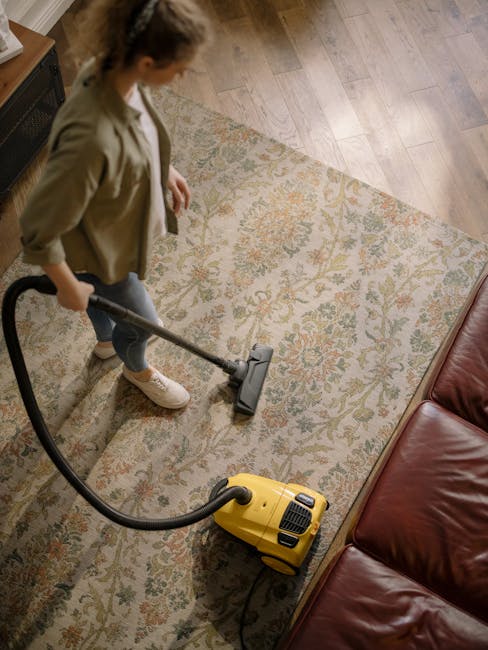
National carpet cleaning costs breakdown what to expect
If you are trying to work out National carpet cleaning costs breakdown what to expect, you are probably doing the same thing most people do: comparing a few quotes, wondering what is actually included, and trying not to get caught out by a bargain that turns into extra charges later. Fair enough. Carpet cleaning pricing can look simple on the surface, but once you dig in a bit, the final bill depends on room size, carpet condition, cleaning method, access, and add-ons.
This guide breaks the costs down in plain English, so you can judge a quote properly, understand what drives the price up or down, and know what a good-value service should include. You will also find practical examples, a comparison table, a checklist, and the common mistakes people make when booking carpet cleaning for a home, tenancy move, or office.
Quick summary: the cheapest quote is not always the best value, and the most expensive one is not automatically better either. The real job is to compare what is included: pre-inspection, stain treatment, equipment used, drying time, and any extras. That is where the numbers make sense.
- See what typical carpet cleaning charges may cover
- Understand the main factors affecting price
- Learn how to compare quotes fairly
- Spot hidden extras before you book
- Pick the right cleaning method for your carpet
Table of Contents
- Why the carpet cleaning cost breakdown matters
- How carpet cleaning pricing works
- Key benefits and practical advantages
- Who this is for and when it makes sense
- Step-by-step guidance
- Expert tips for better results
- Common mistakes to avoid
- Tools, resources and recommendations
- Law, compliance, standards, or best practice
- Options, methods, or comparison table
- Case study or real-world example
- Practical checklist
- Conclusion
- Frequently asked questions
Why National carpet cleaning costs breakdown what to expect Matters
Carpet cleaning sounds straightforward until you start comparing quotes that do not quite match each other. One company may price by room, another by square metre, and a third by the number of bedrooms or carpeted areas. Then there is the question of what "deep clean" actually means. Steam clean? Hot water extraction? Dry cleaning? Spot treatment? It all matters.
Understanding the cost breakdown helps you avoid paying for things you do not need, or worse, assuming something is included when it is not. In our experience, the awkward bit is rarely the base price. It is the extras. Stain removal, deodorising, moving furniture, heavy-soil treatment, protection sprays, and parking or access issues can all change the final total. A proper quote should make those items visible before anyone turns up with a machine humming in the hallway.
It also matters because the right clean can extend the life of a carpet. Replacing fitted carpet is expensive, and waiting too long can let grit and stains settle deeper into the fibres. So, while price is important, value is the bigger question: what will actually improve the carpet and how long will it stay clean?
Let's face it, nobody wants to pay twice. Once for the clean, then again for fixing what a rushed clean missed.
How National carpet cleaning costs breakdown what to expect Works
Most carpet cleaning prices are built from a few core parts. The exact formula varies by provider, but the logic is usually similar.
1. The base cleaning charge
This is the starting figure. It may be quoted per room, per area, or per item. For example, a living room may cost one amount, while stairs and a landing are priced separately because they take more time and skill.
2. Carpet size and layout
A square room is easier to price than a hallway with awkward corners and fitted furniture. Larger open-plan spaces may cost more, but not always in direct proportion. Some cleaners offer better rates for multiple rooms because setup time is shared across the job.
3. Soil level and stain condition
Light maintenance cleaning is different from a carpet that has seen months of muddy shoes, pet accidents, coffee spills, and general family life. A technician may need pre-treatment, agitation, or repeat passes. That extra work affects both time and cost.
4. Cleaning method
Hot water extraction, often called steam cleaning in everyday conversation, is common for deep cleaning. Dry cleaning, encapsulation, and shampooing can cost differently depending on the equipment, chemistry, and drying needs. The best method depends on the carpet fibre, backing, and how quickly you need the room back in use.
5. Add-ons and protection
Some jobs include stain treatment or deodorising. Others treat those as extras. Carpet protection, antimicrobial options, and specialist spot removal can raise the price. Sometimes they are worth it; sometimes they are not. A sensible cleaner should explain the difference plainly, not hide behind jargon.
6. Access and practical factors
Top-floor flats, limited parking, long hose runs, awkward stair access, and tight appointment windows can all influence price. In London especially, logistics can matter as much as the cleaning itself. A crew carrying equipment up three flights of stairs at 8 a.m. is not the same job as a ground-floor lounge with easy parking outside.
So when you ask what to expect, the honest answer is this: a proper quote should reflect the size of the area, the cleaning method, the condition of the carpet, and any practical complications. If it does not, ask.
Key Benefits and Practical Advantages
It is easy to focus on the bill and forget the upside. Carpet cleaning is not just cosmetic. A good service can make a room feel fresher, reduce visible wear, and help carpets last longer. You can usually notice the difference underfoot too. The fibres lift a bit, the room smells cleaner, and dull traffic lanes soften back down.
- Better budget control: when you know how pricing works, it is easier to compare quotes like-for-like.
- Cleaner, healthier rooms: regular cleaning helps remove dirt, dust, and allergens trapped in carpet fibres.
- Longer carpet life: grit acts like sandpaper over time; removing it can slow wear.
- Stronger tenancy handover: a professionally cleaned carpet can support a smoother move-out, especially if the property has been lived in hard.
- Better first impressions: useful for homes, landlords, letting agents, and offices where appearance matters.
There is a practical benefit people overlook: a well-explained quote gives you confidence. You know what is being done, why it costs what it costs, and where the money is going. That alone can remove a lot of stress.
Who This Is For and When It Makes Sense
This topic matters to a few different groups, and each one has slightly different priorities.
Homeowners and tenants
If your carpets are looking tired, stained, or a bit flat in the hallway, it may be time to book a clean rather than wait for the situation to get worse. Families with pets or children tend to need cleaning more often than rooms that are lightly used. Truth be told, a carpet can look "fine" until afternoon sunlight hits it and suddenly every mark shows.
Landlords and letting agents
For rentals, cost control matters, but so does consistency. If carpets are being cleaned between tenancies, you want a service that is clear about what is included. End of tenancy cleaning often overlaps with carpet cleaning, and it helps to understand whether the quote is for a full property clean or just the flooring. For those situations, a broader service such as end of tenancy cleaning can sometimes make more sense than booking each task separately.
Businesses and offices
Offices, reception areas, meeting rooms, and shared spaces all wear differently. Heavy footfall near entrances and tea points can leave distinct dirt patterns, and regular maintenance cleaning is usually cheaper than tackling everything after months of build-up. If your business wants a cleaner, more professional feel, you may also find office cleaning useful alongside carpet care.
People dealing with specific spills or stubborn marks
Sometimes you do not need a whole-house clean. You need a targeted solution after a spill, pet accident, or patch of damage. In those cases, spot treatment or specialist stain work may be enough. A service like spot cleaner or carpet cleaning may be the more practical route depending on the issue.
Step-by-Step Guidance
Here is a simple way to handle carpet cleaning costs without getting overwhelmed by the detail.
- Measure or count the areas. Note the rooms, stairs, hallways, and any odd-shaped spaces. A rough floor plan is enough for the first enquiry.
- Check the carpet condition. Look for stains, pet odours, traffic lanes, and areas that have been cleaned recently. Be honest. It saves everyone time.
- Ask how pricing is calculated. Is it per room, per square metre, per item, or by the job? You need to know before comparing quotes.
- Confirm what is included. Ask whether pre-treatment, deodorising, stain removal, or furniture moving is part of the base price.
- Choose the right cleaning method. Some carpets suit steam cleaning; others may need a gentler approach. If you are unsure, ask the provider to explain why one method is better than another.
- Check drying expectations. Drying time is often ignored until people are tiptoeing across the room in socks at 9 p.m. Ask how long the area will be out of action.
- Request a written quote. The best quotes list the scope clearly. That makes later disputes much less likely.
- Prepare the room. Pick up small items, move fragile objects, and make access easy so the job can run smoothly.
One practical tip: if a quote sounds very low, check whether it includes VAT, parking, minimum charges, or "from" pricing only. Those little phrases can change the story quite a bit.
Expert Tips for Better Results
Good carpet cleaning is part preparation, part method, part timing. The people who get the best results usually do a few sensible things before the cleaner even arrives.
- Vacuum properly first. A decent pre-vacuum helps lift loose grit so the cleaning system can focus on embedded soil.
- Treat stains early. Fresh spills are easier to deal with than old ones. Blot, do not rub. That old advice really does hold up.
- Ask about fibre type. Wool, synthetic, and blended carpets behave differently. A cleaner should match the chemistry to the material.
- Be realistic about stain removal. Some marks can be improved dramatically, but not every stain disappears completely. Coffee, ink, bleach, and dye transfer can be stubborn.
- Book before the carpet gets too far gone. A preventative clean often costs less than a rescue job.
- Plan around drying time. If you need the room for guests or work the next day, say so upfront.
Here is a small but useful observation from real jobs: the cleaner who asks more questions at the start often delivers the cleaner result at the end. Not always, but often enough to notice.
Common Mistakes to Avoid
Most bad experiences with carpet cleaning come from a few avoidable errors.
- Choosing only by price. Cheapest quotes may skip pre-treatment or charge extra once on site.
- Not checking the method. Steam cleaning is not always the answer, and dry cleaning is not automatically "better" either.
- Assuming stain removal is guaranteed. No honest cleaner should promise miracles on every mark.
- Forgetting about furniture and access. If the cleaner has to work around heavy items, the job will take longer.
- Ignoring drying time. Damp carpets can be inconvenient and, if not handled properly, may lead to odour or re-soiling.
- Not asking about minimum charges. Small jobs sometimes cost more than expected because of setup time.
- Failing to confirm scope for end of tenancy work. A move-out clean and a carpet-only clean are not the same thing, and the pricing should reflect that.
A bit of common sense goes a long way here. If a quote feels vague, it usually is vague.
Tools, Resources and Recommendations
You do not need a van full of gear to understand carpet cleaning pricing, but a few simple tools make life easier.
- Measuring tape or floor plan: helps you estimate room sizes and compare per-square-metre quotes.
- Phone photos: useful for sending a visual of stains, worn areas, or access issues before the visit.
- Vacuum cleaner: pre-cleaning is often overlooked, but it makes a real difference.
- Basic stain information: if you know what caused the mark, say so. Coffee and red wine are different from paint or grease, obviously.
- Written quote or invoice: keeps pricing, scope, and any add-ons clear.
If you are also comparing broader cleaning packages, pages such as deep cleaning, spring cleaning, and domestic cleaning can help you understand whether a carpet-only booking or a wider home clean is better value. For furniture that holds onto odours and dust, upholstery cleaning may also be worth considering at the same time.
If you are comparing local providers, a clean and transparent pricing page is a good sign. It shows the company is not trying to hide the basics. For example, a clear pricing and quotes page can help you work out whether the quote structure makes sense before you even book.
Law, Compliance, Standards, or Best Practice
For most households, carpet cleaning is not a highly regulated purchase in the way some trades are, but best practice still matters. A professional cleaner should be upfront about what they can and cannot do, how they handle equipment safely, and what happens if a surface is delicate or damaged.
In the UK, it is sensible to expect clear pricing, honest descriptions, and appropriate care around the property. If a company is handling water extraction equipment, cleaning chemicals, and electrical kit, you would reasonably expect them to follow proper safety routines, use trained staff, and have adequate insurance. That is not overkill. It is basic professionalism.
For landlords and tenants, there is often a separate layer of practical expectation. A tenancy agreement may mention professional cleaning, but the exact requirement can vary. Always check the agreement itself rather than assuming one size fits all. For businesses, access, health and safety, and working hours may need to be agreed in advance so cleaning does not disrupt customers or staff.
If sustainability matters to you, ask whether the provider uses water-efficient methods, low-residue products, or waste-conscious practices. You can also look at broader company policies such as health and safety policy, insurance and safety, and recycling and sustainability for a better sense of how the business operates. Not glamorous, perhaps, but reassuring.
Options, Methods, or Comparison Table
Different carpet cleaning methods suit different situations. The cheapest option is not always the most sensible, especially if you are dealing with a delicate fibre or a carpet that needs fast drying.
| Method | Best for | Typical strengths | Possible drawbacks |
|---|---|---|---|
| Hot water extraction / steam cleaning | General deep cleaning, most domestic carpets | Strong soil removal, good for routine heavy cleaning | Longer drying time, not ideal for every fibre |
| Dry cleaning | Quick turnaround, some delicate carpets | Faster drying, lower downtime | May be less effective on deep soil build-up |
| Carpet shampooing | Visible surface cleaning and older cleaning routines | Can freshen appearance, familiar method | May leave residue if not handled well |
| Spot treatment | Isolated marks and specific spills | Targeted and often cost-effective | Not a full clean, results depend on stain type |
If you are weighing up a DIY route against a professional job, consider the equipment too. Rental machines can help with small refresh jobs, and some households use a carpet cleaner rental or decide to hire carpet cleaner equipment for a one-off project. That can work, but it is not always the best value once you factor in time, effort, and drying risk. For stubborn stains, a dedicated carpet steam cleaner may be more effective than a lighter rental unit, though again, matching the machine to the job matters.
Professional services, on the other hand, usually bring stronger extraction, better chemical knowledge, and less hassle. If you want the convenience angle, a dedicated carpet cleaning services page is often a useful place to start when comparing what is on offer.
Case Study or Real-World Example
A typical example: a family in a three-bedroom London flat booked carpet cleaning after noticing dark traffic lines in the hallway and a couple of drink stains in the living room. They had also just finished decorating, so there was a thin layer of dust near the skirting boards and an odd fresh-paint smell hanging about the room.
The first quote looked cheap at first glance. But once they asked what was included, it turned out stain treatment was extra, the stairs were priced separately, and there was a surcharge for evening access. A second quote was slightly higher but included pre-treatment, deodorising, and a return visit window that suited them better. On paper the cheaper option looked tempting. In reality, it would probably have cost more once the extras were added.
They chose the more transparent quote. The technician explained the fibre type, pre-treated the hallway, spent extra time on the living room mark, and gave clear drying guidance. The carpet was not magically brand new, of course. Old traffic wear does not vanish into thin air. But the overall result was cleaner, brighter, and much easier to maintain afterwards.
That is the kind of outcome you want: a realistic improvement, a fair price, and no surprise bolt-ons at the door.
Practical Checklist
Before you confirm any carpet cleaning booking, run through this list.
- Have you counted all carpeted rooms, stairs, and hallways?
- Do you know whether the price is per room, per area, or per job?
- Has the cleaner explained what is included in the base quote?
- Are stain removal, deodorising, and protection listed clearly?
- Do you know the expected drying time?
- Have you told the cleaner about pets, heavy traffic, or stubborn spills?
- Are access issues, parking, or upper-floor entry discussed?
- Have you asked for a written quote or confirmation?
- Do you understand what cannot be guaranteed?
- Have you checked whether you need a broader service such as one-off cleaning or even home cleaning alongside carpet care?
Tick those off and you will avoid most of the usual headaches. Simple, but effective.
Conclusion
National carpet cleaning prices make much more sense once you break them into parts: base charge, room size, carpet condition, method, and extras. That is the real picture. If you compare quotes without understanding those pieces, it is easy to make the wrong call. But once you know what to look for, the whole process gets calmer and more manageable.
The best value usually comes from a quote that is clear, specific, and realistic about the work needed. Not the fanciest pitch. Not the cheapest headline. Just the one that explains itself properly and leaves you with cleaner carpet, fewer surprises, and a better sense that the job has been done right.
If you are ready to compare your options, ask for a transparent breakdown and judge the quote on what it includes, not just the headline figure. That way, you are buying the result, not the guesswork.
Get a free quote today and see how much you can save.
And honestly, once the carpet is clean and the room smells fresh again, you will wonder why you waited so long.
Frequently Asked Questions
How much does carpet cleaning usually cost in the UK?
Prices vary depending on room size, soil level, cleaning method, and location. A quote should explain what is included so you can compare like-for-like rather than relying on a headline figure alone.
What is included in a carpet cleaning quote?
A proper quote may include pre-inspection, vacuuming, stain treatment, the chosen cleaning method, extraction, and drying advice. Extras like heavy stain removal, deodorising, or furniture moving may cost more if they are not bundled in.
Why do some carpet cleaning companies charge by room and others by square metre?
They use different pricing models. Room pricing is simpler for standard homes, while square-metre pricing can be more accurate for larger or unusual layouts. What matters is that the pricing method is explained clearly.
Is steam cleaning better than shampooing?
Not always. Steam cleaning, or hot water extraction, is often better for deep soil removal. Shampooing may suit some situations, but it can leave residue if poorly done. The right method depends on the carpet fibre and how dirty it is.
How long does carpet cleaning take to dry?
Drying time depends on the method used, ventilation, carpet type, and weather. Faster-drying methods may be useful if you need the room back quickly. Always ask for a realistic estimate before booking.
Will all stains come out?
No honest cleaner should promise that. Some stains improve a great deal, while others may fade but not disappear fully. Older stains, dyes, bleach marks, and pet damage can be especially stubborn.
Is it cheaper to rent a carpet cleaner myself?
Sometimes, but not always. Rental machines can suit smaller jobs, yet you still need to do the work and manage drying, technique, and cleaning solution carefully. For heavier dirt or larger areas, a professional may offer better value.
Do I need to move furniture before carpet cleaning?
It depends on the provider and the room layout. Some cleaners will move light items, but heavy furniture may need to stay put. Ask in advance so you know what to prepare.
How often should carpets be professionally cleaned?
It depends on use. Homes with children, pets, or high footfall may need more frequent cleaning than lightly used rooms. Offices and rental properties often follow a different schedule because of traffic and handover needs.
Can carpet cleaning help with odours?
Yes, especially when the smell is trapped in the fibres rather than coming from a separate source. Pet odours and spill smells may improve a lot after a proper clean, though severe contamination may need specialist treatment.
What should I ask before booking a carpet cleaner?
Ask how pricing works, what is included, which method they use, how long drying takes, whether stain treatment is extra, and whether they provide a written quote. Those questions save a lot of trouble later.
Is carpet cleaning worth it before moving out?
Often, yes. A freshly cleaned carpet can improve the overall condition of a property and make the handover smoother. If you are booking at the end of a tenancy, it helps to confirm whether you need carpet cleaning on its own or part of a broader clean.