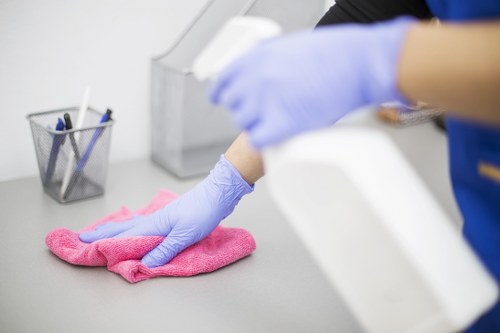
Health and Safety Policy for Kitchen Cleaning and Hygiene Operations
This Kitchen Cleaning and sanitation policy sets out the standards, responsibilities and procedures designed to maintain safe, hygienic, and efficient cleaning in all kitchen environments. The purpose of this policy is to protect staff, visitors and building occupants by preventing contamination, reducing slip and trip hazards, and managing chemical and waste risks associated with routine and deep cleaning. It applies to all cleaning activities, whether carried out by in-house teams, contracted cleaners, or temporary staff, and covers both front-of-house and back-of-house cleaning tasks.Scope and Objectives
The core objectives of this kitchen hygiene and cleaning policy are to ensure consistent cleanliness, reduce cross-contamination, and promote a culture of safe cleaning practices. It emphasizes risk-based cleaning schedules, correct use of cleaning agents, and proper maintenance of cleaning equipment. The policy supports operational goals by aligning cleaning frequency with food preparation intensity, protecting food safety, and preserving the condition of kitchen assets.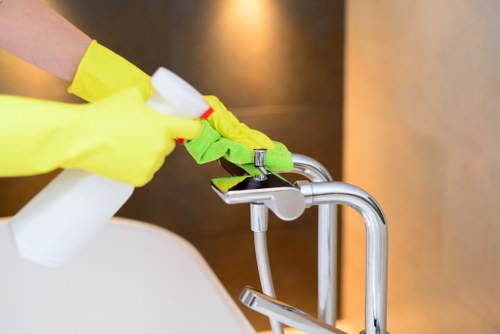
Principles of Safe Kitchen Cleaning
All cleaning must follow the principles of prevention, control and monitoring. Key principles include:- Prevention of contamination through segregation of areas and tools.
- Control of hazards by using appropriate personal protective equipment and dilution of cleaning chemicals.
- Monitoring and verification through documented checklists and supervisory inspections.
The responsibilities under this cleaning safety policy are clearly allocated. Managers are responsible for ensuring resources, training and schedules are in place. Supervisors must implement the cleaning plan, verify completion and maintain records. Cleaning staff are responsible for following instructions, using PPE, documenting work and reporting hazards. Visitors and non-cleaning staff should observe restricted zones and avoid disrupting cleaning operations. Clear roles reduce ambiguity and support accountability.
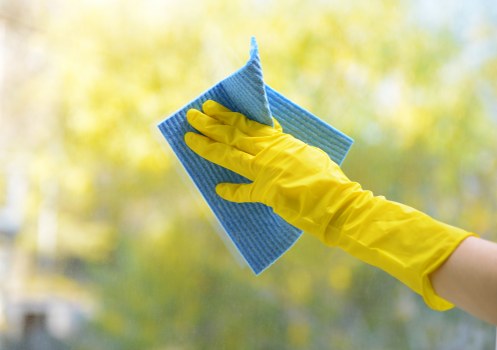 Risk assessment is central to the kitchen cleaning program. Regular assessments identify slippery surfaces, hotspots for contamination, chemical storage risks and machinery requiring special cleaning attention. Risk control measures may include anti-slip matting, scheduled deep-cleaning for high-risk equipment, and safe lockout/tagout procedures for ovens and extractors. A dynamic risk register helps prioritize tasks and allocate resources where they will most effectively reduce harm.
Training and competency form a vital component of safe kitchen sanitation. All personnel involved in cleaning must receive initial and refresher training on correct procedures, correct use of cleaning chemicals, manual handling techniques, and emergency response. Training should be documented and tailored to the nature of kitchen cleaning work, covering both daily cleaning routines and deep-clean procedures for greasy or hard-to-reach areas.
Personal protective equipment and safe use of cleaning products are non-negotiable. Staff must wear appropriate PPE including gloves, eye protection, and slip-resistant footwear, matched to the hazards of each task. Cleaning chemicals must be clearly labelled, stored securely, and used in accordance with manufacturer instructions and dilution rates. Never mix chemicals; chemical compatibility must be verified before use to prevent dangerous reactions.
 Procedures for effective kitchen sanitisation should be practical and verifiable. Suggested steps include pre-cleaning to remove food debris, use of detergents to break down grease, rinsing, disinfection where required, and thorough drying to prevent microbial growth. High-touch surfaces like door handles, switches and food preparation counters require increased cleaning frequency. Use color-coded cloths and tools to prevent cross-contamination between cleaning zones and food preparation areas.
 Waste management and environmental considerations are integrated into the cleaning policy. Waste streams should be segregated at source, contained and removed promptly to prevent pest attraction. Grease and oil must be captured and disposed of through approved routes. Wherever possible, choose cleaning products with lower environmental impact and manage water use efficiently. These steps support both hygiene and sustainability objectives.
Monitoring, record keeping and continuous improvement underpin an effective cleaning safety system. Maintain cleaning logs, chemical registers and equipment maintenance records. Regular audits, spot checks and reviews of incident reports help identify trends and opportunities for improvement. Use simple performance indicators such as completion rates, audit scores and incident frequency to measure the effectiveness of the kitchen cleaning program and to guide corrective actions.
Emergency procedures must be clear and rehearsed. In the event of chemical spills, slips or equipment-related incidents, staff should know how to isolate the area, access spill kits, and summon appropriate assistance. First aid provision should be available and staff trained to respond to burns, cuts and chemical exposures. Prompt incident reporting and root-cause analysis ensure lessons learned are applied to prevent recurrence.
Review and revision of the kitchen cleaning policy should occur at planned intervals or after significant change. Continuous engagement with cleaning teams, food handlers and supervisors will help refine procedures and adapt to operational shifts. By embedding safety, hygiene and environmental stewardship into daily cleaning routines, organizations protect people, maintain food quality and preserve assets. This policy is intended as a living document to support a culture of care and professionalism within all kitchen cleaning operations.